
Why is this resource essential for your journey?
What is IVF work and how does the process aid conception?
Key Steps of the IVF Process
Ovarian stimulation to produce multiple eggs
Precise egg retrieval procedure
Fertilization via ICSI if needed
Careful embryo transfer to the uterus
When may be recommended vitro fertilisation for treating infertility?
One of the most common indications is tubal factor infertility, where the fallopian tubes are blocked or damaged. Additionally, it is a primary treatment for male factor infertility, such as low sperm count or poor motility. When sperm cannot penetrate the egg on their own, the icsi technique ensures fertilization can still occur.
Conditions like Polycystic Ovary Syndrome (PCOS) can cause irregular cycles or a lack of ovulation. IVF offers a more controlled environment where hormone levels are meticulously managed to ensure the maturation of eggs.
Women with endometriosis often find success with ivf treatment as it bypasses the inflammation and scarring that hinder natural conception. Furthermore, IVF is often the most aggressive and effective route for women over 35 to achieve pregnancy as ovarian reserve diminishes.
For unexplained infertility, ivf serves both as a diagnostic tool and a treatment. Additionally, it is essential for couples needing preimplantation genetic testing to avoid passing on inherited genetic disorders.
How do you select the right fertility clinic for your specific needs?
Key Selection Criteria
Laboratory infrastructure
Success rates per transfer
Advanced imaging technologies
Holistic patient support
What steps are involved in preparing for IVF and optimizing health?
Lifestyle & Supplements
Maintaining a healthy weight
Quitting smoking and limiting alcohol
Folic acid and antioxidant intake
Mental preparation and support
Medical Evaluations
Blood tests (AMH, FSH, Estradiol)
Ultrasound of the uterus and ovaries
Semen analysis for the partner
Identifying structural abnormalities
How do fertility drugs stimulate the ovaries during a cycle?
The stimulation phase is a cornerstone of ivf treatment, designed to recruit and mature multiple eggs simultaneously. To increase the efficiency of ivf, fertility drugs (typically injectable gonadotropins) are administered to override the natural selection process. This phase usually lasts for 8 to 14 days.
You will visit the clinic frequently for ultrasound scans and blood work. The specialist adjusts the medication dose to maximize mature eggs while minimizing the risk of ovarian hyperstimulation syndrome (OHSS). Another medication is introduced towards the end to prevent premature ovulation.
Once follicles reach an optimal size, a final ‘trigger shot’ (hCG or GnRH agonist) is administered. This mimics the natural LH surge and is timed precisely 36 hours before egg retrieval. This complex orchestration is what allows ivf to produce many eggs in a single cycle.
What happens while undergoing IVF egg retrieval and fertilization?
Post-Retrieval Lab Process
Identification and counting of eggs
Sperm washing and concentration
Conventional IVF or ICSI fertilization
Monitoring zygote division (Day 1-6)
How does the embryo transfer procedure lead to pregnancy?
What are the success rates and factors affecting IVF outcomes?
The most significant factor is the age of the woman providing the eggs. Younger women typically have higher quality eggs, leading to higher fertilization rates. While the success of a single cycle might be around 30-50%, the cumulative rate after three cycles rises significantly. Modern techniques like PGT-A allow for the selection of chromosomally normal embryos, reducing miscarriage rates.
While ivf is generally safe, risks include Ovarian Hyperstimulation Syndrome (OHSS) and ectopic pregnancy. Modern protocols have drastically reduced severe OHSS. The trend is moving towards elective single embryo transfer (eSET) to eliminate the risk of multiple pregnancies (twins/triplets), ensuring the safety of both mother and baby.
In the UK, ivf on the nhs provides a vital lifeline, but eligibility criteria vary and waiting lists can be long. Private fertility clinics offer more flexibility, faster access, and a wider range of add-on treatments like embryo glue or advanced genetic screening. Regardless of the sector, the HFEA ensures high standards of care and safety.
What are the potential complications of IVF and how are they managed?
IVF is a series of coordinated steps
Success often requires more than one cycle
Frozen embryos allow subsequent attempts
Single transfer is safer for mother and baby
Age is critical; seek advice early
ICSI solves severe male infertility
Lifestyle choices impact outcomes
Reputable clinics ensure personalized care
While ivf is generally safe, it is a medical procedure that involves risks. The most common side effect related to medication is ovarian hyperstimulation syndrome (OHSS). Mild OHSS involves bloating and discomfort, but severe cases can lead to fluid accumulation in the abdomen and chest. Modern protocols, such as using a GnRH agonist trigger, have drastically reduced the incidence of severe OHSS. Clinics monitor patients closely to detect early signs and manage symptoms effectively. Another risk is ectopic pregnancy, where the embryo implants outside the uterus, usually in the fallopian tube. Although ivf places the embryo in the uterus, it can migrate. Early ultrasound monitoring helps detect and treat this condition promptly.
The risk of multiple pregnancy is a significant concern in ivf. Carrying twins or triplets increases the risk of complications like premature birth, high blood pressure, and low birth weight. This is why the trend in fertility medicine is strongly moving towards single embryo transfers. By transferring only one embryo, the risk of multiples is almost entirely eliminated, except for the rare case of identical twinning. The procedure of egg retrieval carries very low risks of infection or bleeding, which are standard for any minor surgical intervention. Antibiotics are often given to prevent infection.
Long-term health is also a consideration. Extensive research has been conducted on the health of children born through ivf. The data is overwhelmingly reassuring, showing that these children are generally as healthy as those conceived naturally. There is a very slight increase in certain rare conditions, but the absolute risk remains extremely low. For the mother, there is no conclusive evidence linking fertility drugs to an increased risk of ovarian or breast cancer. Your doctor will discuss all potential complications of ivf with you, ensuring you are fully informed and comfortable before proceeding with any treatment plan.
How does IVF on the NHS differ from private treatment options?
In the UK, ivf on the nhs provides a vital lifeline for many couples, but eligibility criteria can be strict and vary by location. Generally, the NHS may offer ivf to women under 40 who have tried to get pregnant for two years, or sooner if a specific cause of infertility is found. Funding often covers one to three full cycles, where a full cycle is defined as one episode of ovarian stimulation and the transfer of all resulting fresh and frozen embryos. This is a significant financial benefit, as private treatment can be costly. However, waiting lists for NHS treatment can be long, which can be stressful for patients concerned about their biological clock.
Private fertility clinics offer more flexibility and often faster access to treatment. In the private sector, there are fewer restrictions on age or previous children, and patients can access a wider range of add-on treatments and technologies that might not be funded by the NHS. For example, techniques like embryo glue, assisted hatching, or advanced genetic screening are more readily available privately. However, the cost is the main barrier. Patients paying out of pocket must consider the price of fertility medications, consultations, and the freezing and thawing process in addition to the cycle fee.
Regardless of whether treatment is public or private, the core medical science remains the same. The goal is always a healthy baby. Some patients may choose to start with NHS funded cycles and move to private care if needed, or if they wish to access specific donor programs or fertility preservation services sooner. Understanding the landscape of ivf involves navigating these choices. Whether you are using eggs and sperm from partners or donors, the regulation of clinics by the HFEA ensures high standards of care and safety across both sectors, protecting the interests of everyone involved in the process.
Important Considerations for Your IVF Journey
IVF is a Process: It is not a single event but a series of coordinated steps involving stimulation, retrieval, fertilization, and transfer.
Success Takes Time: A successful pregnancy may require more than one ivf cycle. Cumulative success rates increase with multiple attempts.
Embryo Quality Matters: The use of frozen embryos allows for subsequent transfer attempts without repeating the egg retrieval surgery.
Single Transfer is Safer: Transferring one embryo significantly reduces the health risks associated with multiple pregnancies for both mother and baby.
Age is Critical: Fertility declines with age; seeking advice early can improve your chances of success.
Male Factor Solutions: Techniques like icsi can effectively overcome severe male infertility issues.
Lifestyle Impact: A healthy lifestyle and proper preparation can positively influence the outcome of your treatment.
Professional Support: Choosing a reputable clinic with experienced specialists is paramount for personalized care and safety.
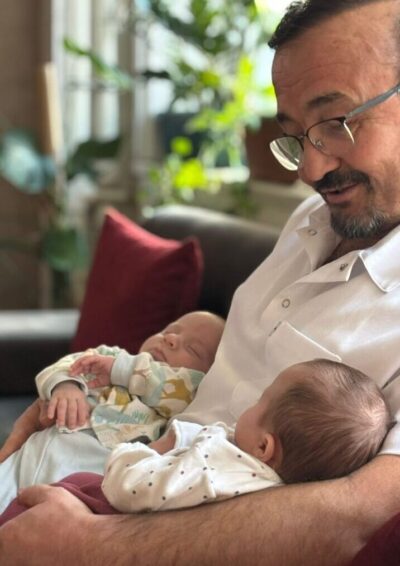
Prof. Dr. Birol Vural
Specialist in Obstetrics, Gynecology, and Reproductive Endocrinology (IVF)
With nearly 30 years of clinical and academic expertise, Prof. Dr. Birol Vural is a distinguished leader in women’s health and reproductive medicine. A graduate of the prestigious Hacettepe University Faculty of Medicine, he is the visionary founder of the Kocaeli University IVF Center. Refining his expertise at world-renowned institutions—including the Sher Institute (New York, USA) and Brussels Free University (Belgium)—Prof. Vural integrates international standards with compassionate, personalized care.


